trading bookstrading psychology
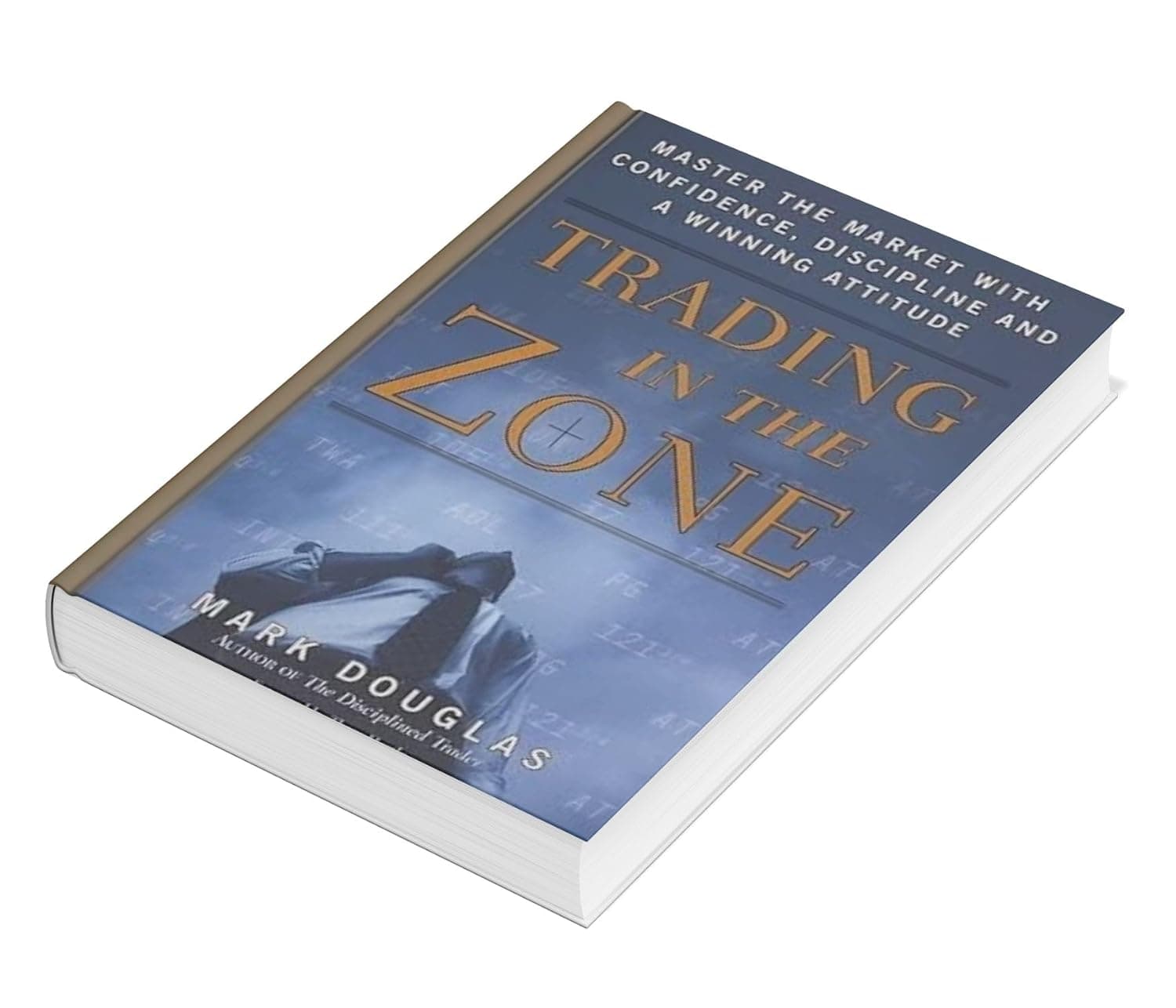
Trading in the Zone
Mark Douglas
The classic on trading psychology: beliefs, discipline, and thinking in probabilities—not predictions.
Read guide →
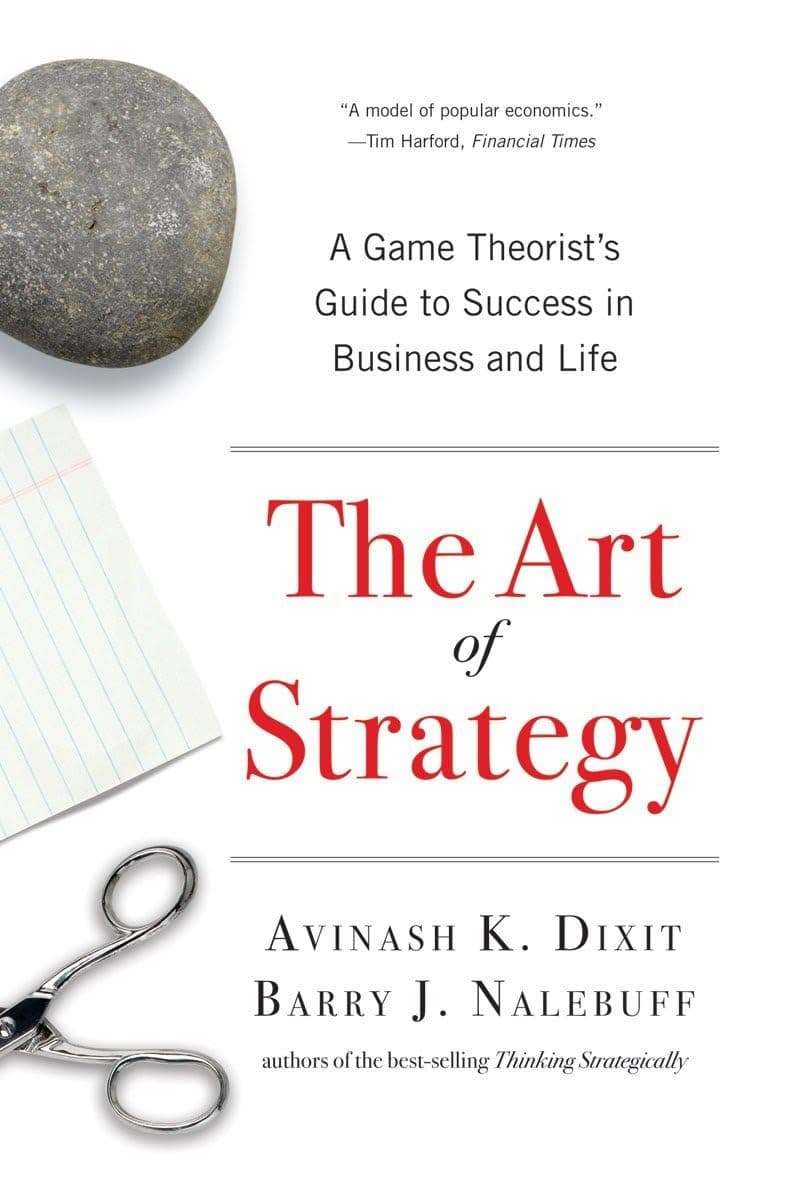
A Game Theorist's Guide to Success in Business and Life
by Avinash K. Dixit & Barry J. Nalebuff
W. W. Norton & Company · English
Game theory made practical—anticipate rivals' moves, think strategically, and apply it to business, life, and competitive decisions.
The Art of Strategy is a game theorist's guide to success in business and life. Game theory means rigorous strategic thinking—the art of anticipating your opponent's next moves, knowing full well that your rival is trying to do the same to you. Though parts of game theory involve simple common sense, much is counterintuitive. It can only be mastered by developing a new way of seeing the world. Using diverse case studies from pop culture, TV, movies, sports, politics, and history, Dixit and Nalebuff show how nearly every business and personal interaction has a game-theory component. For traders, the parallels are direct: markets are full of participants reacting to each other. Mastering strategic thinking—what others might do next, how to commit, when to cooperate or compete—helps you plan entries, manage risk, and avoid predictable mistakes. The authors also wrote the best-selling Thinking Strategically. Steven Levitt called it hard to match for "the combination of practical insights and reading enjoyment." Mastering game theory won't replace chart work or discipline, but it sharpens how you frame decisions in business, life, and any arena where others are trying to outthink you.
Traders, investors, and professionals who want sharper strategic thinking beyond charts—especially those interested in decision-making, competition, and anticipating how others act in markets and business.
“I am hard pressed to think of another book that can match the combination of practical insights and reading enjoyment.”
Disclosure: KillSwitch may earn a commission if you purchase through links on this page (e.g. Amazon). This does not change the price you pay. We do not provide investment advice, trading tips, or stock recommendations—book suggestions are for education and discipline only.
Mark Douglas
The classic on trading psychology: beliefs, discipline, and thinking in probabilities—not predictions.
Read guide →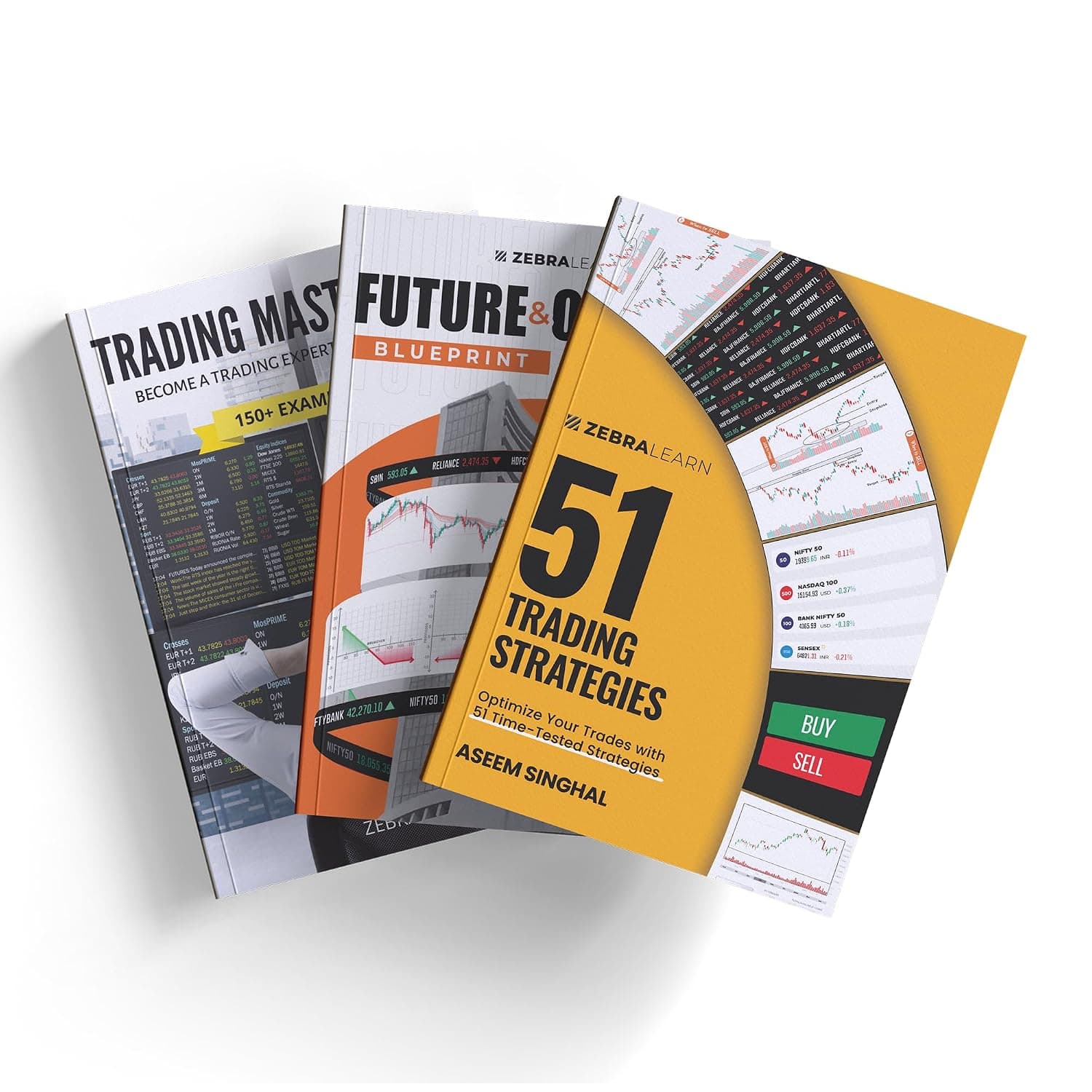
ZebraLearn
A 3-book hardcover set: basics and TA, 51 intraday/swing strategies, and F&O explained simply—with charts, not jargon.
Read guide →